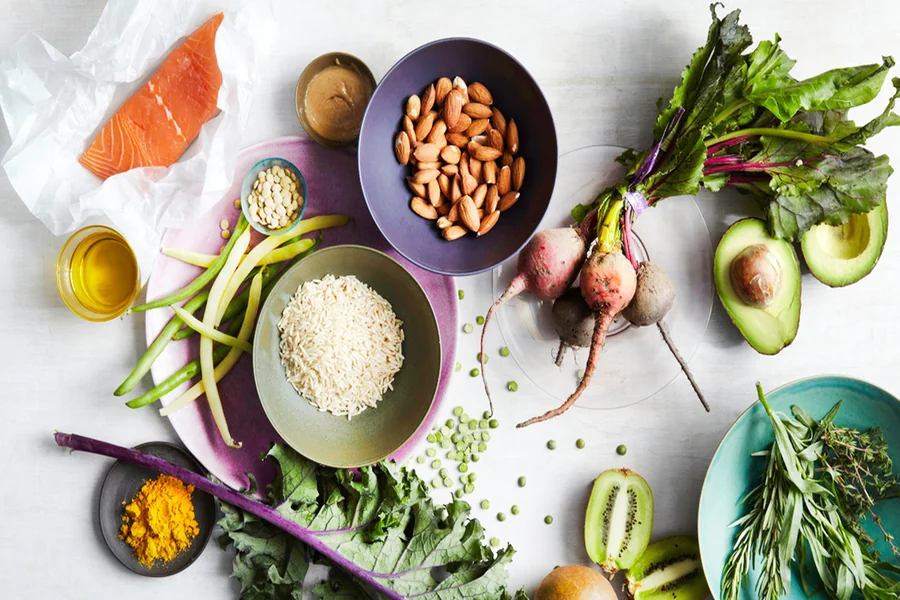
Good nutrition is an important part of overall health and well-being. The food people eat provides energy and nutrients that support the body and mind. Following practical Nutrition Tips For Better Health can help individuals make more balanced food choices and build sustainable eating habits.
Healthy nutrition does not require extreme diets or complicated meal plans. A balanced eating pattern can include a wide variety of foods that provide essential nutrients.
People have different nutritional needs based on age, activity level, lifestyle, health conditions, culture, and personal preferences. Therefore, the best approach is one that fits individual circumstances and can be followed consistently.
Small improvements in daily eating habits can make a meaningful difference over time. Choosing nutritious foods more often and developing a balanced relationship with food can support long-term well-being.
Build Meals Around a Variety of Nutritious Foods
A balanced diet includes a variety of foods from different food groups. No single food can provide every nutrient the body needs.
Vegetables and fruits provide vitamins, minerals, fiber, and other beneficial compounds. Eating different colors and varieties can make meals more enjoyable while providing a broader range of nutrients.
Whole grains such as oats, brown rice, whole-grain bread, and other suitable options can provide fiber and nutrients.
Protein-rich foods may include eggs, fish, poultry, beans, lentils, dairy products, nuts, and seeds.
Healthy fats can also be included in a balanced diet. Avocados, nuts, seeds, and certain oils are examples of foods that provide fats.
The goal is to create meals that include a range of nutrients rather than focusing on one specific food.
Variety can also prevent meals from becoming boring and make healthy eating easier to maintain.
Choose Nutrient-Rich Foods More Often
Nutrient-rich foods provide important vitamins and minerals relative to their energy content.
Vegetables, fruits, whole grains, legumes, lean protein sources, and other minimally processed foods can form the foundation of many balanced meals.
Highly processed foods can still be included occasionally. Healthy eating does not require eliminating every food that people enjoy.
However, consuming highly processed foods frequently may make it more difficult to maintain a balanced eating pattern.
People can make simple changes such as adding vegetables to meals, choosing whole grains more often, or selecting nutritious snacks.
Reading food labels may help people compare similar products.
It is important not to become overwhelmed by nutrition information. A few practical improvements can be more valuable than trying to follow complicated rules.
Pay Attention to Portion Awareness
Portion awareness can help people understand how much food they are eating.
Portion needs vary depending on factors such as age, activity levels, individual health, and personal needs.
Eating slowly can give the body more time to recognize fullness.
Mindful eating can also help people pay attention to hunger and satisfaction.
Distractions such as television or mobile devices may cause some people to eat without noticing how much they consume.
People can try to eat meals at a comfortable pace and pay attention to how they feel.
Portion awareness should not become a source of stress. The goal is to create balance rather than follow strict rules.
Enjoying food is also an important part of a healthy relationship with eating.
Stay Hydrated Throughout the Day
Water is essential for many normal body functions. Staying hydrated can support general well-being and daily physical activity.
Fluid needs vary between individuals. Weather, exercise, diet, age, and health circumstances can all influence hydration needs.
Keeping water nearby may make it easier to drink regularly.
Fruits and vegetables can also contribute to daily fluid intake.
Sugary drinks may add significant amounts of added sugar to the diet. Choosing water or other suitable low-sugar options more often can support healthier habits.
People with specific medical conditions may have individual fluid requirements and should follow appropriate professional advice.
Hydration is a simple habit but an important part of a balanced lifestyle.
Plan Meals and Prepare Food at Home
Meal planning can make healthy eating easier. Planning meals in advance can reduce the need to make last-minute food choices when people are busy.
People can prepare ingredients ahead of time or cook larger portions for future meals.
Home cooking also gives individuals greater control over ingredients and preparation methods.
Meals do not need to be complicated. Simple combinations of vegetables, protein, and whole grains can create balanced options.
Keeping nutritious snacks available can also help during busy days.
Meal planning should remain flexible. Unexpected events may change schedules and plans.
A practical meal plan should support daily life rather than create unnecessary pressure.
Limit Excessive Added Sugar and Salt
Many foods and drinks contain added sugar or high amounts of salt. Consuming too much of these ingredients regularly may make it more difficult to maintain a balanced eating pattern.
People can check food labels and compare similar products.
Reducing sugary drinks can be one practical way to reduce added sugar intake.
Herbs, spices, garlic, ginger, and other ingredients can add flavor to meals without relying only on salt.
People do not need to eliminate every food that contains sugar or salt.
The overall eating pattern matters more than one individual meal.
Moderation and balance are generally more realistic than extreme restrictions.
Match Nutrition With an Active Lifestyle
Nutrition and physical activity work together to support overall health.
People who are physically active may need adequate energy and nutrients to support their routines.
Balanced meals can provide carbohydrates, protein, fats, vitamins, and minerals.
Eating habits may also need to change depending on activity levels and individual goals.
People should avoid assuming that one diet works for everyone.
Those with specific fitness goals or health concerns may benefit from guidance from a qualified healthcare professional or registered dietitian.
Regular movement and balanced nutrition can support energy, strength, and overall well-being.
Create Sustainable Eating Habits
Long-term nutrition success depends on habits that can be maintained.
Strict diets may produce short-term changes but can be difficult to follow over time.
Instead, people can focus on gradual improvements.
Adding more vegetables, drinking more water, planning meals, or eating more mindfully can be useful starting points.
People should not feel discouraged by occasional unhealthy meals.
One meal does not determine overall health. Returning to balanced habits is more important.
A flexible approach can make healthy eating more enjoyable and sustainable.
The goal is to develop habits that support both health and quality of life.
Final Thought
Nutrition Tips For Better Health can help people create a balanced and sustainable approach to eating. A varied diet, nutrient-rich foods, portion awareness, hydration, meal planning, and moderation can all support overall well-being.
Healthy eating does not require perfection. People can enjoy different foods while focusing on nutritious choices most of the time.
Individual nutritional needs vary, so people with specific health conditions or dietary concerns should seek advice from a qualified healthcare professional.
Small changes made consistently can become powerful long-term habits. By making informed choices and maintaining a flexible approach, people can support their energy, physical health, and overall quality of life.
FAQs
What are the most important Nutrition Tips For Better Health?
Eating a varied diet, choosing nutrient-rich foods, staying hydrated, practicing portion awareness, and maintaining balanced eating habits are important steps.
Do I need to follow a strict diet to eat healthily?
No, a flexible and balanced eating pattern is often more sustainable than an extremely restrictive diet.
Why is variety important in nutrition?
Different foods provide different nutrients, so eating a variety of foods can help support the body’s nutritional needs.
How can I improve my diet gradually?
Start with small changes such as adding more vegetables, drinking more water, choosing whole grains, or planning meals in advance.
Is portion control necessary for everyone?
Portion needs vary between individuals. Awareness of portions can help support balanced eating but should not create unnecessary stress.
Why is hydration important?
Water supports many normal body functions and contributes to overall well-being.
Can I eat processed foods as part of a healthy diet?
Yes, processed foods can be included occasionally. The overall balance of the eating pattern is important.
How does meal planning support better nutrition?
Meal planning can make it easier to prepare balanced meals and reduce last-minute food choices.
Should I seek professional nutrition advice?
Professional advice may be useful for people with specific health conditions, dietary restrictions, or individual nutritional goals.


