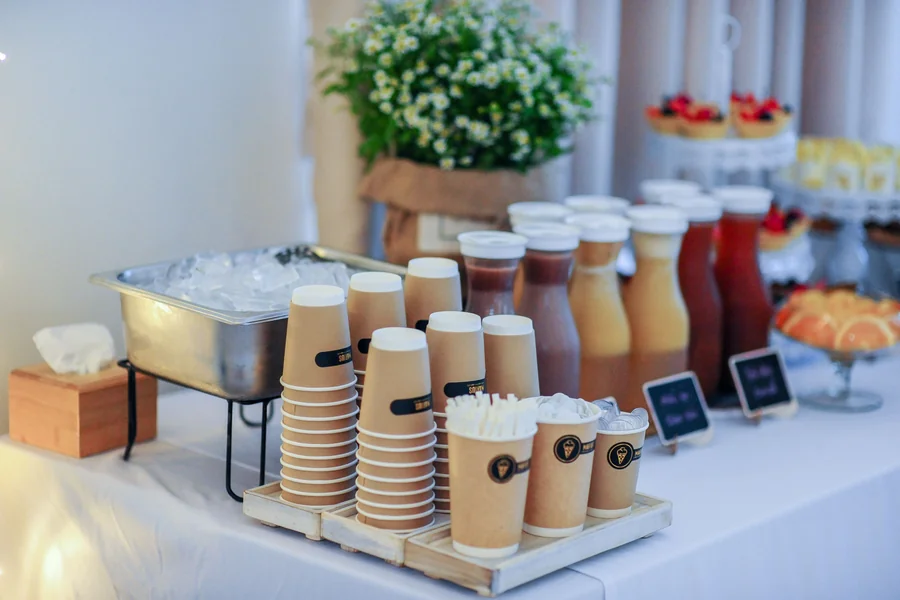
A few years ago, a non-drinking guest at a wedding could expect a glass of orange juice, maybe a lemonade, and the occasional sympathetic look from the bartender. Today the picture looks very different. More Australians are drinking less, or not at all, and the reasons range from health and fitness goals to pregnancy, religion, driving home, or simply preferring to remember the night clearly. Hosts have noticed, and the alcohol-free bar has quietly become one of the most talked-about corners of modern celebrations.
Done well, it is not a consolation prize. It is a destination in its own right.
Why Hosts Are Rethinking the Drinks List
The shift is partly cultural. Sober-curious movements, Dry July and a growing range of quality zero-alcohol beer, wine, and coffee beverages have made it normal to skip alcohol for a night or for good. It is also practical. Daytime events, family gatherings with lots of children, and corporate functions where people need to drive afterwards all suit a drinks offering that does not revolve around a keg.
There is a budget angle too. Alcohol is often one of the largest line items at any celebration. A well-designed non-alcoholic menu can reduce costs while still feeling generous, especially if the main bar offers a tighter selection of beer and wine.
What Makes a Memorable Alcohol-Free Station
The secret is to treat these drinks with the same care as cocktails. Think layered flavours, fresh herbs, good ice and attractive glassware. A rosemary and grapefruit spritz, a cold-brew tonic, or a passionfruit and lime soda with a salted rim feels considered in a way that a jug of cordial never will.
Presentation matters just as much. A dedicated station with its own signage, a short menu and someone mixing drinks to order sends a clear message that non-drinkers are valued guests rather than an afterthought. It also tends to attract plenty of drinkers who fancy something lighter between glasses of wine.
Matching the Menu to the Season
Summer weddings in the Australian heat suit iced teas, citrus spritzers, watermelon coolers and frozen granitas. Winter events invite something warmer: spiced apple, hot chocolate with marshmallows, or chai served from a steaming urn. Autumn garden parties might lean into pear, ginger and cinnamon flavours.
Consider your crowd as well. Children love colourful mocktails with fun garnishes, while older guests often appreciate a good pot of tea or a quality decaf. Offering two or three signature drinks, plus water and simple soft drinks, keeps things manageable while still feeling special.
Practical Setup Considerations
Mobile drink stations come in two broad styles. Some are fully plumbed with running water and sinks, which suits venues where the cart will be serving complex drinks all evening. Others are dry setups, relying on pre-prepared ingredients, ice and water containers, which makes them far more flexible for outdoor locations, rooftops, barns and private gardens with no plumbing nearby.
For many celebrations, dry or coffee cart hire is the simplest way to create a polished, self-contained serving point that can be placed almost anywhere, from a beach ceremony to a backyard engagement party, without needing to worry about water connections or council approvals for plumbing.
Before booking, check access to the space. Can the cart be wheeled across lawn or gravel? Is there a level surface? Will there be shade? A station sitting in full afternoon sun will struggle to keep ice frozen and garnishes fresh.
Staffing and Flow
A single attendant can usually serve a surprising number of guests if the menu is focused. Pre-batching syrups and juices before the event keeps service fast. If you expect a rush, for example immediately after the ceremony, consider having a few drinks pre-poured and ready on a tray.
Placement within the venue influences how busy the station becomes. Put it near the main bar and guests will compare options and drift between the two. Tuck it away in a corner and it may be overlooked. Clear signage and an attractive display help draw people over.
Little Touches That Make It Feel Special
Personalised drink names are a lovely detail. Couples often name mocktails after pets, the street where they met, or an inside joke. Edible flowers, dehydrated citrus wheels and sugared rims photograph beautifully and add colour to the table. Reusable paper straws or glass stirrers keep waste down while looking good.
A small menu card with ingredients is also helpful for guests with allergies or dietary preferences. It saves the attendant from fielding the same question repeatedly and shows thoughtfulness from the hosts.
Beyond Weddings
The same approach works brilliantly at baby showers, milestone birthdays, school formals, community festivals and corporate product launches. Any event where a portion of the crowd will not be drinking, or where the organiser wants to encourage moderation, benefits from a well-run alcohol-free option.
Workplaces in particular are moving in this direction. Holiday parties with a strong non-alcoholic offering tend to feel more inclusive, and there are fewer awkward moments the next day.
Celebrations are about bringing people together, and the drinks table is one of the places where guests naturally gather. Giving non-drinkers something delicious and thoughtfully presented is a small gesture that makes everyone feel part of the occasion, and it might just become the most popular spot in the room.


