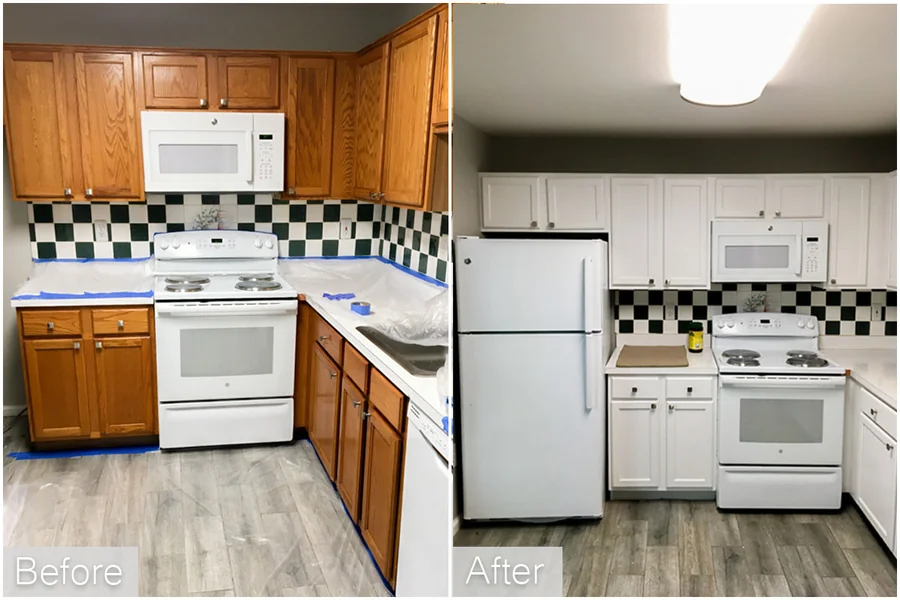
The heart of your home deserves to look its absolute best, but undertaking a massive renovation can be both exhausting and incredibly expensive. Instead of tearing out perfectly good infrastructure, savvy homeowners and interior designers are focusing on smarter, more efficient ways to breathe life back into tired spaces. By utilizing Cabinet Revival Strategies: Paint, Polish, and Kitchen Perfection, you can dramatically transform the aesthetic and functionality of your cooking area without the exorbitant costs associated with a full demolition. This approach focuses on maximizing what you already have, elevating the materials through careful preparation, expert application of finishes, and strategic hardware replacements. Whether your current setup feels dark and dated or simply worn down from years of daily use, a targeted refresh can make the room feel brand new. The beauty of reviving your existing cabinetry lies in the creative control it offers, allowing you to custom-tailor the colors and finishes to match your evolving personal style. As we delve into these transformative techniques, you will find that achieving a high-end look is entirely within your reach, requiring more patience and precision than a massive budget.
Assessing Your Current Kitchen Cabinets
Before you purchase a single drop of paint or a new set of handles, a thorough assessment of your existing cabinetry is absolutely essential. The success of any revival project hinges on the structural integrity of the base materials you are working with. Begin by examining the doors, drawer fronts, and the internal boxes for any signs of severe warping, deep water damage, or structural failure. Solid wood and high-quality plywood are excellent candidates for painting and polishing, as they can be sanded down and repaired quite easily. MDF and laminate surfaces can also be updated, but they will require specialized bonding primers to ensure that any new coatings adhere properly to their slick surfaces.
Once you have confirmed that the cabinets are structurally sound, the next step is a rigorous cleaning process. Kitchen cabinets act as magnets for airborne cooking grease, food splatters, and general household dust, creating a stubborn film over time. If you attempt to sand or paint over this layer of grime, the new finish will inevitably peel or chip. Using a heavy-duty degreaser, such as a TSP (trisodium phosphate) substitute, allows you to strip away years of accumulated residue. Scrub every inch of the surfaces, paying special attention to the areas around the handles and the undersides of the upper cabinets where grease tends to pool.
After degreasing, evaluate the hardware and hinges. If your doors are hanging crooked or failing to close completely, now is the time to decide whether the hinges can be adjusted or if they need to be completely replaced. Upgrading to hidden, soft-close hinges can modernize the feel of an older kitchen instantly. Taking the time to properly assess and prepare your workspace sets the foundation for a flawless, long-lasting finish that will rival factory-grade cabinetry.
The Power of Paint: Choosing the Right Finish
When it comes to visual impact, nothing compares to the transformative power of a fresh coat of paint. Choosing to paint your cabinets opens up an infinite world of color possibilities, allowing you to pivot from heavy, dark wood tones to light, airy hues or moody, dramatic shades. However, achieving a professional-grade painted finish requires careful selection of both primers and topcoats. A high-quality, stain-blocking primer is non-negotiable, especially if you are working with woods like oak or mahogany that contain tannins, which can bleed through lighter paint colors. Shellac-based or oil-based primers are typically the most effective at sealing the wood grain and providing a smooth, uniform surface for the topcoat to grip.
The type of paint you choose for the final layers will dictate the durability and washability of your kitchen for years to come. Standard wall paint is entirely unsuitable for cabinetry, as it lacks the necessary hardeners to withstand the constant touching, bumping, and wiping that kitchen surfaces endure. Instead, opt for a water-based alkyd enamel or a specialized cabinet-grade acrylic polyurethane. These modern hybrid formulations offer the smooth, leveling properties and hard finish of traditional oil paints, but without the toxic fumes, extended drying times, or tendency to yellow over time.
Color selection is just as crucial as the paint formula. Crisp whites and soft creams remain timeless choices that reflect light and make a small kitchen feel much larger. If you want to introduce character, consider the ongoing trend of two-toned cabinets, where the lower bases are painted in a grounding color like navy blue or forest green, while the uppers remain a bright, airy white. When applying the paint, using an HVLP (high volume, low pressure) paint sprayer will yield the most flawless, factory-like finish. If a sprayer is out of the question, a high-density foam roller paired with a fine synthetic brush for the detailed crevices can also produce exceptional results, provided you apply multiple thin coats rather than thick, heavy layers.
Polishing and Hardware Updates for a Modern Look
If your cabinets are constructed from beautiful, high-quality solid wood, painting over them might feel like a disservice to the natural material. In these cases, a restoration and polishing strategy is the perfect path to kitchen perfection. Wood cabinets often look dull and lifeless simply because their protective clear coat has worn away or oxidized. Minor scratches and scuffs can easily be remedied with a specialized wood restorer or a pigmented wax that fills in superficial damage and restores the original depth of the stain.
For routine polishing, avoid silicone-based sprays that can leave a cloudy, sticky residue over time. Instead, look for natural beeswax or carnauba-based polishes that nourish the wood and leave a subtle, rich luster. A thorough polish not only enhances the visual warmth of the wood grain but also adds a necessary layer of protection against daily moisture and kitchen humidity. The tactile experience of running your hand over a freshly polished, smooth wooden cabinet door instantly elevates the perceived quality of the entire room.
Beyond the surfaces themselves, the hardware acts as the jewelry of your kitchen and represents one of the easiest, highest-impact updates you can make. Swapping out tarnished, dated wooden knobs or basic builder-grade pulls for modern metallic hardware can completely shift the design narrative of the space. Matte black hardware provides a striking, contemporary contrast against white or light gray cabinets, while brushed brass or champagne bronze adds a touch of elegant warmth to deeper, moody paint colors. When selecting new handles, ensure that the screw hole spacing (the “center-to-center” measurement) matches your existing drilled holes, or be prepared to meticulously fill, sand, and drill new holes before you begin your painting or refinishing process.
Maintaining Your Upgraded Kitchen Space
After investing the time, effort, and resources into reviving your cabinets, establishing a proper maintenance routine is vital to ensure your kitchen remains in a state of perfection. A newly painted or polished surface requires a curing period, which can take anywhere from a few days to a full month, depending on the products used and your local humidity levels. During this crucial time, treat your cabinets with extreme care, avoiding heavy impacts or abrasive cleaning tools.
For daily and weekly maintenance, harsh chemical cleaners and abrasive scouring pads should be permanently banned from your kitchen cleaning arsenal. These aggressive products will quickly strip away protective polishes and etch the surface of newly applied enamel paint. Instead, embrace the simplicity of a soft microfiber cloth dampened with warm water and a few drops of mild dish soap. This gentle solution is highly effective at cutting through everyday kitchen grease without compromising the integrity of your cabinet finish. After wiping away spills or splatters, always follow up immediately with a dry cloth to prevent moisture from sitting on the surface, which can cause wood to swell and paint to bubble.
It is also wise to keep a small, airtight container of your chosen topcoat paint safely stored away. No matter how careful you are, the kitchen is a high-traffic work zone, and minor chips or dings are bound to happen over the years. Having the exact color and sheen on hand allows for quick, seamless touch-ups with a small artist’s brush, preventing tiny blemishes from becoming noticeable eyesores.
FAQs
How long does a proper cabinet painting project typically take? A complete and thorough cabinet painting project usually takes between one and two weeks to ensure adequate drying and curing time between coats.
Can I paint over laminate or heavily varnished cabinets? Yes, you can successfully paint over laminate and heavy varnish if you thoroughly degloss the surface and apply a high-adhesion bonding primer before your topcoat.
What is the most durable type of paint for kitchen cabinets? Water-based alkyd enamels and specialized acrylic polyurethane blends are currently the most durable and user-friendly paints for cabinet surfaces.
How do I clean my cabinets without ruining the new finish? You should clean your newly finished cabinets using a soft microfiber cloth slightly dampened with a mild dish soap and warm water solution, drying immediately.
Should I install the new hardware before or after painting? You should measure and drill any new holes for your hardware before painting, but leave the actual installation of the knobs and pulls until the final coat is completely dry.
Final Thought
Transforming your cooking space does not always require a drastic demolition or a staggering financial investment. By embracing cabinet revival strategies through meticulous preparation, thoughtful painting, and strategic hardware updates, you can create a space that feels entirely new and deeply personal. The journey of restoring your cabinets is a rewarding process that blends creativity with practical home improvement. Take your time, choose your materials wisely, and enjoy the profound satisfaction of cooking and gathering in a beautifully refreshed, perfect kitchen tailored exactly to your tastes.


