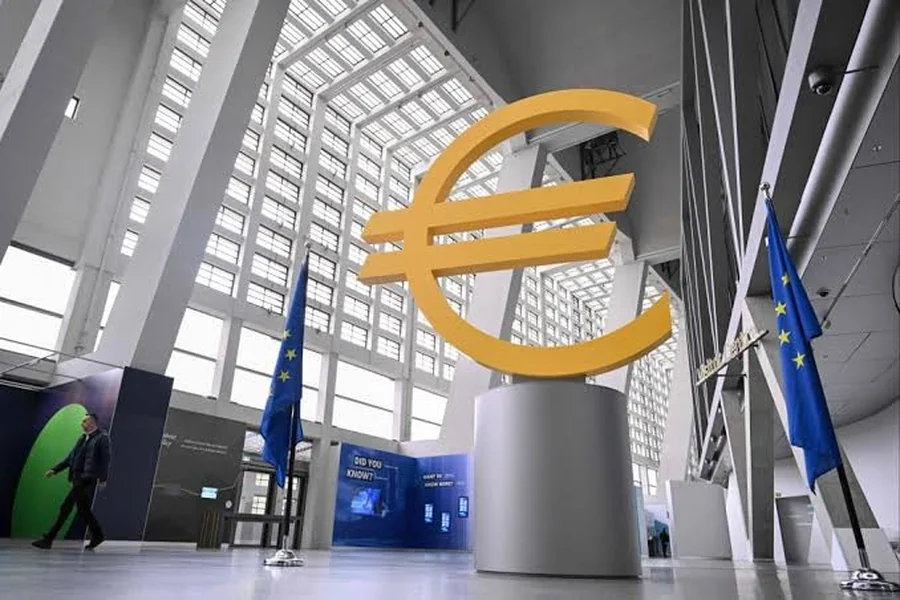
The financial landscape experienced a seismic shock this week when the Central Bank unexpectedly slashes interest rates amidst looming inflation fears.
This sudden shift in monetary policy has sent shockwaves through global markets, leaving economists and investors scrambling to understand the underlying motives of the governing board.
For months, the prevailing economic narrative suggested a prolonged period of high rates to combat stubborn price increases and stabilize the national currency.
However, this abrupt pivot indicates that policymakers might be seeing severe warning signs in the broader economy that necessitate immediate and aggressive intervention.
The decision to lower borrowing costs is traditionally utilized as a blunt tool to stimulate economic activity during sluggish periods or impending recessions.
Yet, executing such a significant move while inflationary pressures still hover uncomfortably above target levels is essentially a high-wire act for financial authorities.
Analysts across Wall Street and beyond are now furiously debating whether this proactive measure will successfully engineer the much-desired soft landing or inadvertently reignite the very price surges the institution has spent years fighting.
The ripple effects of this monumental announcement are already being acutely felt across various sectors, ranging from commercial real estate to international trade and consumer banking.
As we navigate this increasingly complex economic landscape, it becomes crucially important to dissect the specific factors that led to this unexpected rate cut.
We must also examine how it will shape the financial realities of multinational corporations, small businesses, and everyday consumers in the volatile months ahead.
This pivotal moment in financial history highlights the delicate dance that central banks perform daily to maintain a functioning economy.
The overarching implications of this single rate cut will inevitably cascade through international trade, domestic employment figures, and everyday consumer confidence for years to come.
Understanding the complex mechanics behind this decision is absolutely essential for anyone looking to responsibly safeguard their financial future against unprecedented macroeconomic volatility.
Why the Sudden Shift in Monetary Policy?
To fully comprehend why the central banking authority took such drastic action, one must look closely at recent macroeconomic indicators and leading data points.
While headline employment figures have remained relatively stable on the surface, underlying data reveals a concerning cooling trend in consumer discretionary spending and manufacturing output.
Policymakers traditionally rely on a dual mandate of maximizing sustainable employment while simultaneously stabilizing prices for the broader economy.
When leading economic indicators point toward an impending and potentially severe economic contraction, institutions feel intensely compelled to act swiftly, even if it contradicts their previous forward guidance.
The unexpected reduction in the benchmark interest rate strongly suggests that internal economic models are predicting a sharper and more painful downturn than previously anticipated by the public.
By proactively lowering the cost of capital, the governing board desperately hopes to encourage corporate investment, spur job creation, and stimulate consumer borrowing before a recession can fully take root.
However, this aggressive easing strategy carries incredibly significant risks that cannot be overlooked by market participants and everyday citizens alike.
The global supply chain remains inherently fragile, and escalating geopolitical tensions continue to introduce unpredictable volatility into energy, agriculture, and commodity markets.
If these external global factors drive up the base cost of raw materials and shipping, the rate cut could inadvertently pour gasoline on the lingering inflationary fire.
Fierce critics heavily argue that the institution may have acted entirely prematurely, potentially sacrificing long-term price stability for the sake of short-term economic and political relief.
Proponents, on the other hand, actively praise the agility of the policymakers, noting that waiting too long to adjust rates has historically led to deeper and more prolonged recessions.
This delicate balancing act highlights the immense pressure faced by financial leaders who must make highly consequential decisions based on lagging historical data and unpredictable future variables.
Moreover, the internal debate within the central bank’s governing council was likely fiercely contested prior to this shocking announcement.
Dissenting voices may have pointed to the sticky nature of service-sector inflation, which historically takes much longer to cool down than goods-based inflation.
The fact that the dovish faction ultimately won the policy debate indicates a massive paradigm shift in risk assessment, prioritizing immediate growth preservation over rigid adherence to previous inflation targets.
The Immediate Impact on Global Markets
The reaction from global financial markets was both immediate and extraordinarily dramatic following the unexpected press release.
Equities surged immensely in the hours following the announcement, with major indices posting significant and broad-based gains as investors celebrated the prospect of cheaper borrowing costs.
Technology and growth-oriented stocks, which are particularly sensitive to interest rate fluctuations due to their heavy reliance on future cash flows, aggressively led the market rally.
Conversely, government bond yields plummeted across the curve, reflecting the new lower-rate environment and causing a rapid, chaotic repricing of fixed-income assets globally.
Currency markets also experienced intense, whiplash-inducing volatility as traders rushed to adjust their complex positions based on the new interest rate differentials.
The domestic currency weakened notably against a broad basket of international peers, a natural mathematical consequence of lower domestic yields making assets less attractive to foreign capital.
This sudden currency depreciation could provide a temporary but welcome boost to domestic exporters by making their manufactured goods more competitively priced abroad.
However, it simultaneously increases the underlying cost of imported goods, raw materials, and foreign services, further complicating the central bank’s already difficult inflation outlook.
Commodity markets, particularly precious metals like gold and essential resources like crude oil, saw rapid upward price movements as cautious investors sought traditional hedges against potential currency debasement.
Institutional investors, pension funds, and aggressive hedge funds are now actively recalibrating their massive portfolios to align with this unexpected paradigm shift in monetary policy.
The sheer suddenness of the central bank’s move caught many quantitative trading algorithms completely off guard, exacerbating intraday market swings and leading to a massive flurry of automated buying and selling.
As the proverbial dust begins to settle on trading floors, market participants are shifting their intense focus from the initial shock of the announcement to the long-term structural implications.
Corporate boardrooms are currently hosting emergency meetings to rapidly reassess their capital expenditure plans in light of this newly available, cheaper financing.
Companies that had previously shelved expansion projects due to prohibitively high borrowing costs may now rapidly greenlight these initiatives, potentially triggering a localized corporate hiring boom.
However, this corporate optimism is highly contingent on consumer demand holding steady, a crucial variable that remains stubbornly difficult to predict in this volatile macroeconomic environment.
How Consumers Are Affected by the Rate Cut
For the average consumer navigating the daily economy, a reduction in the benchmark interest rate translates directly into tangible, immediate changes in everyday financial matters.
The most immediate and highly publicized benefit is typically seen within the residential housing market and broader commercial real estate sector.
Mortgage rates, which closely mirror the central bank’s general policy direction and treasury bond yields, tend to decrease almost immediately following such announcements.
This makes homeownership much more accessible for frustrated prospective buyers and offers current homeowners a lucrative opportunity to refinance their existing mortgages at significantly more favorable terms.
Refinancing can seamlessly free up substantial monthly cash flow for average households, theoretically boosting discretionary spending on dining, entertainment, travel, and retail goods.
Additionally, the annual percentage rates on new auto loans, personal unsecured loans, and variable-rate credit cards generally become noticeably more manageable for everyday borrowers.
However, this sweeping monetary easing is certainly not a universal positive for all demographics and consumer classes within the broader economy.
Diligent savers and older retirees who heavily rely on safe, fixed-income investments, such as certificates of deposit or high-yield savings accounts, will unfortunately see their expected monthly returns rapidly diminish.
This painful reduction in passive income can be particularly devastating for vulnerable individuals living on strict fixed budgets, effectively acting as an invisible tax on responsible financial savings.
Furthermore, if the rate cut successfully stimulates rampant borrowing but ultimately fails to boost actual economic production, the resulting rapid increase in the money supply could easily lead to higher prices for essential, everyday goods and services.
Unavoidable daily expenses like weekly groceries, monthly household utilities, and essential healthcare services could quickly become substantially more burdensome.
This inflationary pressure would easily erase any perceived financial relief gained from the temporary reduction in consumer debt servicing costs.
Consumers must therefore carefully navigate a highly complex and contradictory environment where borrowing capital is suddenly cheaper, but the actual purchasing power of their hard-earned money remains under constant, severe threat.
Beyond direct borrowing costs, everyday consumers must also meticulously consider the psychological impact of this monumental policy shift.
When money is artificially cheap, the societal urge to spend impulsively often overrides the prudent instinct to save for inevitable future financial uncertainties.
This behavioral economics phenomenon could lead to a temporary but explosive surge in retail spending, providing a superficial boost to economic metrics while simultaneously masking deeper underlying financial fragilities within middle-class households.
Balancing Growth and Inflation Concerns
The central bank’s most daunting core challenge moving forward is successfully managing the delicate psychological aspect of public inflation expectations.
If corporate businesses and everyday consumers begin to genuinely believe that prices will continue to rise indefinitely, they will instinctively alter their financial behavior in ways that make inflation a devastating self-fulfilling prophecy.
Workers will understandably demand much higher wages and salaries to keep up with the skyrocketing cost of living and maintain their baseline standard of living.
This, in turn, heavily prompts companies to raise retail prices even further to aggressively protect their shrinking profit margins, creating a vicious, unbreakable economic cycle.
By proactively cutting interest rates in the current unpredictable environment, the banking authority takes the massive risk of signaling that it is quietly capitulating in its highly publicized fight against inflation.
Market skeptics might naturally assume the institution is now prioritizing short-term economic growth and political optics over the grueling necessity of long-term domestic price stability.
To actively prevent a catastrophic, unmanageable de-anchoring of consumer inflation expectations, policymakers will need to deliberately communicate their future strategic intentions with absolute, unwavering clarity.
They must effectively convince the skeptical general public and institutional investors that they still firmly possess both the necessary financial tools and the unyielding resolve to rapidly pivot back to a restrictive stance if dangerous price pressures unexpectedly intensify.
This complex dynamic requires a highly nuanced, carefully crafted public relations strategy that successfully reassures jittery financial markets without appearing irresponsibly or overly dovish.
Historically, central banks that have successfully executed similar high-stakes maneuvers have done so by strictly maintaining absolute data dependency, adjusting policy only incrementally based on verified, real-time macroeconomic indicators.
Furthermore, complex international trade relationships will be profoundly tested by this sudden, unilateral policy shift.
If other major global economies do not naturally follow suit with their own aggressive rate cuts, the resulting currency imbalances could easily trigger retaliatory trade measures or highly competitive domestic currency devaluations.
The central bank must remain acutely aware of how its domestic financial decisions ripple across international borders, potentially destabilizing emerging markets that carry heavy debts denominated in foreign currencies.
Final Thought
The momentous decision to pivot national monetary policy so abruptly fundamentally underscores the undeniable fragility of the current post-pandemic economic recovery.
While the immediate, highly publicized reduction in capital borrowing costs provides incredibly welcome relief to struggling business sectors and heavily debt-burdened consumers, the overarching structural threat of systemic inflation remains a massive, dark cloud hovering ominously on the horizon.
The central bank has essentially placed an unprecedented, monumental bet on its unique ability to successfully thread the microscopic needle between stimulating flagging economic growth and aggressively containing looming price surges.
Only the unforgiving passage of time will definitively tell if this highly bold strategy will successfully foster sustainable, long-term economic stability or simply delay an inevitable, deeply painful financial reckoning.
Global investors, multinational businesses, and everyday consumers alike must remain incredibly vigilant, financially conservative, and highly adaptable as the full, far-reaching consequences of this truly monumental policy shift continue to slowly unfold.
FAQs
Why does lowering interest rates impact inflation?
Lowering interest rates makes borrowing money significantly cheaper, which generally encourages businesses and consumers to spend and invest more freely. This increased demand for goods and services can push prices higher, essentially fueling inflation if supply cannot adequately keep up with the newly stimulated demand.
How quickly will consumers see changes in their loan rates?
Consumers will typically see near-immediate changes in variable-rate products like credit cards and home equity lines of credit within a few billing cycles. Mortgage rates also react swiftly, often adjusting even before the official announcement based on widespread market anticipation, while existing fixed-rate loans remain completely unchanged.
What happens to my savings accounts when the central bank cuts rates?
When the benchmark rate is unexpectedly slashed, retail banks typically lower the annual percentage yields they offer on deposit accounts to maintain their own profit margins. As a result, the returns on high-yield savings accounts, traditional savings, and newly issued certificates of deposit will gradually decrease, providing less passive income for savers.
Is it a good time to buy a house after an unexpected rate cut?
A rate cut generally leads to lower mortgage rates, which significantly increases consumer purchasing power and lowers monthly payments. However, cheaper financing often triggers a surge in buyer demand, which can drive up underlying home prices, meaning buyers must carefully weigh lower borrowing costs against potentially higher property valuations.
Can the central bank reverse its decision if inflation surges again?
Yes, the central banking authority continuously monitors economic data and retains the absolute power to raise interest rates again if inflation becomes unmanageable. However, frequent and abrupt changes in monetary policy can create severe market uncertainty and damage the institution’s credibility, making them generally reluctant to reverse course too quickly.


