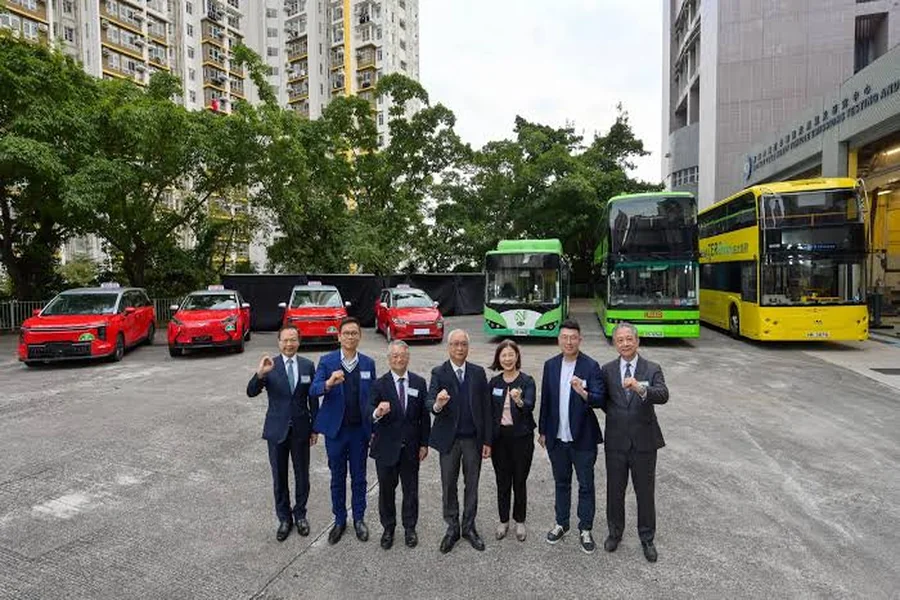
Urban centers around the world are facing a critical turning point in how they manage growth, pollution, and the daily movement of millions of people. For decades, the reliance on fossil fuels has dictated the rhythm of city streets, leaving a legacy of smog, noise, and mounting environmental concerns. However, a major paradigm shift is officially underway. After months of intense debate, community town halls, and expert consultations, the city council approves massive green energy public transport overhaul. This landmark decision is not just a minor policy tweak; it represents a comprehensive reimagining of how residents will commute, connect, and live in the metropolitan area for generations to come. The ambitious initiative aims to phase out outdated diesel buses, replace aging infrastructure, and introduce cutting-edge renewable technology across the entire transit network. By committing to this transformation, local leaders are sending a clear message that sustainability and economic vitality can go hand in hand. The overhaul will integrate battery-electric vehicles, solar-powered stations, and smarter routing systems, fundamentally changing the urban landscape. As climate change accelerates, local governments are increasingly stepping up to implement actionable solutions, and this sweeping transit legislation serves as a blueprint for other cities to follow. Residents have long demanded cleaner, more reliable, and more equitable transportation options, and this robust initiative is the direct response to those calls. The transition will require significant investment, but the long-term dividends for public health and the environment are undeniable.
A Historic Shift in Urban Mobility
The journey to this groundbreaking legislative victory was neither short nor easy. For years, environmental advocates and urban planners have argued that the existing public transportation system was unsustainable, both financially and ecologically. Legacy diesel buses and outdated rail systems were a constant drain on municipal budgets due to rising maintenance costs and unpredictable fuel prices. The realization that incremental changes were no longer sufficient led to a bold new vision. The decision to completely transition the fleet marks a historic shift in urban mobility, moving away from a reliance on internal combustion engines toward a future powered by clean, renewable electricity. This overhaul is designed to tackle the root causes of urban air pollution, prioritizing neighborhoods that have historically borne the brunt of industrial and vehicular emissions. A core component of this strategy involves transitioning to a zero-emission fleet by the end of the decade. This transition includes the procurement of hundreds of state-of-the-art electric buses and the introduction of hydrogen fuel cell vehicles for longer, more demanding routes. By diversifying the types of green technologies utilized, the transit authority ensures that all logistical needs are met without compromising environmental goals. Furthermore, the overhaul encompasses more than just the vehicles themselves; it dictates a complete redesign of the energy grid supporting them. City planners are working closely with regional utility providers to ensure that the electricity charging these new vehicles comes from renewable sources like wind and solar power, rather than natural gas or coal. This holistic approach guarantees that the transition is truly green from end to end, eliminating emissions at the tailpipe and significantly reducing them at the power plant level.
Key Features of the Transit Upgrade
To fully understand the magnitude of this initiative, it is essential to examine the specific components that make up the new transit strategy. The most visible change will be the complete replacement of the city’s aging bus fleet. The newly commissioned electric buses are equipped with high-capacity batteries capable of running full daily routes on a single overnight charge. For rapid transit corridors, overhead charging gantries will be installed to provide quick power boosts while passengers board, ensuring uninterrupted service during peak commute hours. In addition to the vehicles, the city is heavily investing in the modernization of transit hubs and bus depots. These facilities will be retrofitted with massive solar panel arrays, transforming them from simple parking structures into active energy generation centers. This self-sustaining model will help offset the substantial energy requirements of the new electric fleet. Another critical feature of the overhaul is the expansion of light rail networks. Rail has always been one of the most efficient ways to move large numbers of people, and the new plan includes laying miles of new track to connect underserved suburban areas directly to the downtown core. These new trains will utilize regenerative braking technology, which captures kinetic energy during deceleration and feeds it back into the municipal grid. Beyond the physical hardware, the transit upgrade incorporates advanced digital infrastructure. Smart traffic signals will prioritize buses, reducing idle times at intersections and speeding up overall travel. An integrated digital network will also allow the transit authority to monitor fleet health, battery levels, and passenger loads in real time. This data-driven approach will enable dynamic routing, allowing dispatchers to deploy additional vehicles exactly where and when they are needed, optimizing efficiency and minimizing energy waste.
Economic and Environmental Impacts
The sweeping changes brought about by this policy will reverberate far beyond the bus stops and train stations, creating profound economic and environmental impacts for the entire region. On the environmental front, the reduction in greenhouse gas emissions will be staggering. Transportation is currently one of the largest contributors to the city’s carbon footprint. By eliminating diesel exhaust, the city expects a massive percentage drop in overall emissions within the first five years of implementation. This reduction in particulate matter and nitrogen oxides will lead to significantly cleaner air, dramatically improving the quality of life for all residents. The environmental benefits also translate directly into public health victories, as lower pollution levels are strongly correlated with reduced rates of asthma, cardiovascular disease, and other respiratory ailments. Economically, the green energy overhaul is a catalyst for job creation and industry growth. The massive infrastructure investments required to build charging stations, lay new tracks, and upgrade maintenance facilities will generate thousands of high-paying construction, engineering, and tech jobs. Furthermore, the city is prioritizing contracts with domestic manufacturers of green technology, helping to stimulate the regional clean energy economy. While the upfront capital costs of purchasing electric vehicles and building new infrastructure are substantial, the long-term operational savings are compelling. Electric vehicles have far fewer moving parts than traditional combustion engines, resulting in drastically lower maintenance and repair costs. Additionally, by generating a portion of the required electricity through solar-equipped transit hubs, the city insulates itself from the volatility of global fossil fuel markets. These operational savings can eventually be reinvested into further system expansions or used to subsidize fare programs for low-income riders, ensuring the economic benefits are distributed broadly.
What This Means for Daily Riders
For the everyday commuter, the shift to a green transit network promises a radically improved riding experience. The most immediate difference passengers will notice is the sheer quietness of the new vehicles. Electric buses and modern light rail cars operate with a fraction of the noise and vibration associated with traditional diesel engines. This reduction in noise pollution will make daily commutes far more relaxing and will benefit the neighborhoods located along heavy transit corridors. Inside the vehicles, riders will enjoy modern amenities designed to enhance comfort and convenience. The new fleet will come standard with enhanced climate control systems, free high-speed public Wi-Fi, and easily accessible charging ports for personal devices. Reliability, which has long been a major pain point for commuters, will also see a massive upgrade. Because the new electric fleet requires less frequent maintenance, there will be fewer vehicle breakdowns and unexpected delays. The integration of smart city technology means that the accompanying mobile applications will provide hyper-accurate, real-time tracking of buses and trains. Commuters will no longer have to guess when their ride will arrive, allowing them to plan their journeys with confidence. Moreover, the city council has mandated that this overhaul must prioritize transportation equity. The initial rollout of the new vehicles and upgraded stops will be focused on historically marginalized communities that rely most heavily on public transit. By improving service frequency and expanding routes in these areas, the city is ensuring that the benefits of the transition are shared by everyone, providing better access to jobs, education, and healthcare for those who need it most.
Final Thought
The complete modernization of a metropolitan transit system is a monumental undertaking that requires bold vision, substantial investment, and unwavering commitment from both local leaders and the community at large. The recent legislation proves that such a transformation is entirely possible. This initiative is much more than an environmental necessity; it is an economic driver and a critical step toward social equity. By embracing zero-emission technology and smart infrastructure, the city is not just fixing a broken transit system, but actively designing a cleaner, more efficient, and highly connected future for all its residents.
FAQs
What is the timeline for the new transit vehicles to arrive? The initial fleet of electric buses is scheduled to begin operating on major downtown routes within the next eighteen months.
Will the cost of public transit tickets increase due to this project? There are currently no plans to raise ticket prices, as the long-term savings on fuel and maintenance are expected to help subsidize the operational costs.
How will the transit hubs generate their own electricity? The updated transit hubs will be equipped with massive solar panel arrays on their roofs to harness renewable energy directly for vehicle charging.
Are there plans to expand the transit network to suburban areas? Yes, the overhaul includes significant investments in expanding light rail tracks to better connect underserved suburban communities with the city center.
How does the new fleet benefit the environment? By replacing diesel engines with battery-electric and hydrogen fuel cell technology, the city will drastically reduce greenhouse gas emissions and improve overall air quality.


