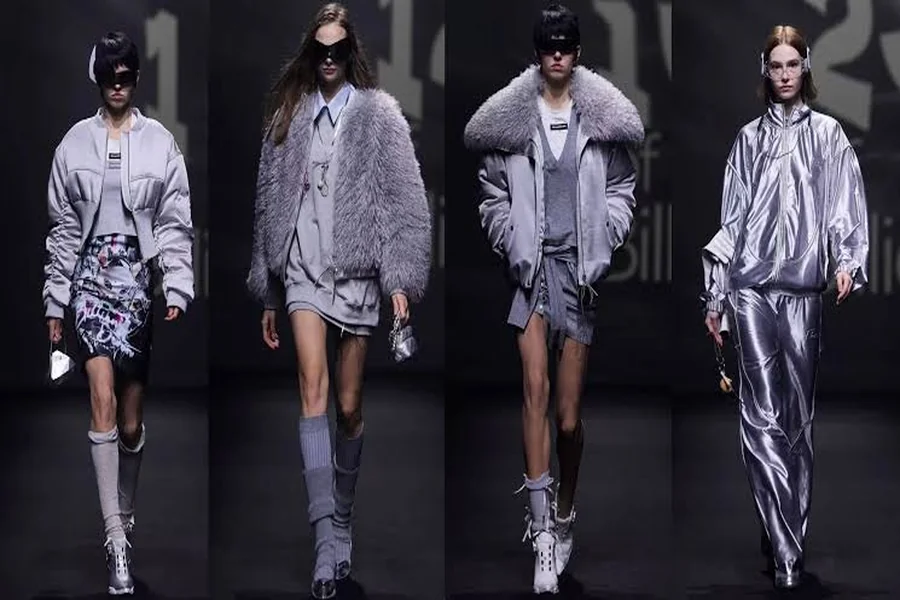
Welcome to the world of Cyber Chic: When Wearable Technology Meets High Fashion, a movement that is no longer a futuristic fantasy confined to the silver screen. It is a present-day reality radically reshaping the global apparel industry from the ground up. For decades, the technology and fashion sectors operated in distinctly separate, often opposing spheres. Technology was primarily focused on rigid, pragmatic functionality, prioritizing screens, complex circuits, and hard plastics. Fashion, on the other hand, was inherently fluid, expressive, and deeply rooted in the tactile experience of traditional fabrics like silk, cotton, and wool. Today, that rigid boundary has entirely evaporated. The intersection of cutting-edge innovation and luxury design has birthed a new era where clothing does much more than just drape beautifully over the human form. It actively interacts, reacts, and adapts to both the environment and the wearer. We are witnessing a profound paradigm shift where aesthetics and utility are merging into a seamless, interconnected garment ecosystem. High fashion is enthusiastically embracing the digital age, proving that wearable technology does not have to be a clunky accessory strapped to your wrist. Instead, it can be an invisible, intuitive part of your everyday wardrobe, enhancing both your physical capabilities and your personal style. As society has historically adapted its attire to fit cultural shifts—from the heavy utilitarian garments of the industrial revolution to the sleek, minimalist aesthetics of the space age—the current information age demands a wardrobe that is just as connected as we are.
The Dawn of Smart Garments
The journey toward true technological integration in clothing began with hesitant, often clumsy steps. Early iterations of smart clothing were characterized by bulky batteries, heavy power packs, and stiff wires that severely compromised the natural drape and flow of the fabric. However, the relentless miniaturization of electronics and the rapid development of flexible, conductive fibers changed the landscape entirely. The true dawn of smart garments was officially marked when industry giants started weaving technology directly into the very fibers of the textiles we wear every single day. The origins of these smart textiles can actually be traced back to military and aerospace research, where garments were engineered to monitor the vital signs of astronauts and soldiers in extreme conditions. Once this technology became accessible to the consumer market, a prime example of its application emerged in the collaboration between Levi’s and Google, which resulted in the highly publicized Jacquard project. This groundbreaking initiative successfully embedded touch-sensitive threads into the sleeve of a classic denim jacket, allowing the wearer to control their smartphone, screen calls, or change music tracks with a simple brush of the cuff. This breakthrough signaled to the high fashion world that technology could be integrated without sacrificing the essential nature of the garment. Designers realized they no longer had to awkwardly attach gadgets to clothes; the clothes themselves could become the gadgets. We began seeing the introduction of advanced e-textiles—fabrics woven with microscopic silver and copper threads capable of carrying electrical signals seamlessly. These innovations opened the floodgates for global creativity. Luxury houses, initially skeptical of the overly mechanical aesthetic of early wearable tech, started to recognize the profound potential for creating garments that were responsive to the wearer’s environment. The narrative shifted from purely functional wearables to artistic, interactive statements, setting the stage for a complete revolution in how we conceptualize and create luxury attire.
Runway Revolution and Tech Integration
When high fashion fully embraced the technological wave, the traditional runway was instantly transformed into a theater of scientific marvels. Fashion weeks in Paris, Milan, and New York began to consistently feature garments that defied the laws of traditional tailoring and garment construction. One cannot discuss the runway revolution without acknowledging the breathtaking moments where chemistry, engineering, and haute couture spectacularly collided. A defining moment in recent fashion history was the Coperni show, where a custom, wearable dress was spray-painted in real-time onto model Bella Hadid. Using a patented liquid polymer that solidified into a flexible, wearable fabric upon contact with the body, this spectacle was not merely a viral gimmick. It was a profound demonstration of material science pushing the absolute limits of fashion design, echoing the legendary 1999 Alexander McQueen show where robotic arms spray-painted a dress live on the runway. Similarly, visionary designers like Hussein Chalayan have long pioneered the use of robotics and mechanics in high fashion. His iconic transforming dresses, which mechanically alter their shape, length, and style as the model walks down the runway, highlight the theatrical potential of integrated technology. We are also seeing the integration of flexible LED matrix displays embedded directly into delicate silk and chiffon, allowing evening gowns to display moving images, shift colors, and actively react to ambient noise in the room. Avant-garde designers like Iris van Herpen have consistently utilized 3D printing and parametric design algorithms to create ethereal, otherworldly gowns that look less like clothing and more like organic, growing sculptures. These runway moments are absolutely crucial because they serve as the ultimate testing ground for futuristic concepts. The cutting-edge ideas showcased on the catwalk eventually influence the commercial market, slowly trickling down into the ready-to-wear collections that consumers can purchase and wear in their daily lives.
Functionality Hidden Behind Glamour
While the visual spectacle of illuminated dresses and shape-shifting skirts captures the headlines, the true genius of modern cyber fashion lies in its carefully hidden functionality. The modern consumer demands much more from their wardrobe than just aesthetic appeal; they want their clothing to actively work for them. Behind the glamour of high-end design, brilliant engineers and master tailors are collaborating to embed sophisticated biometric sensors into everyday garments. Imagine a beautifully tailored bespoke suit that discreetly monitors your heart rate, stress levels, and posture, gently vibrating to remind you to sit up straight during a long board meeting. This invisible functionality extends far beyond simple health tracking. Designers are heavily experimenting with advanced materials like graphene, which is incredibly strong, remarkably lightweight, and highly conductive. Graphene is now being utilized to create heated jackets for extreme sports that distribute warmth evenly without adding any unnecessary bulk. Furthermore, environmental responsiveness is becoming a highly sought-after feature in luxury activewear. There are now textiles engineered to change color in the presence of harmful levels of air pollution or excessive UV radiation, acting as an early warning system for the wearer’s health. Powering these smart garments is another critical area where innovation is thriving. Rather than relying on heavy, traditional lithium-ion batteries that require constant charging, developers are successfully exploring kinetic energy harvesting. Through this technology, the natural movement of the wearer’s body generates the electricity needed to power the embedded sensors. Flexible, microscopic solar panels are also being woven directly into the fabric itself, ensuring that the garment remains powered as long as there is ambient light available in the environment.
Sustainability and Digital Couture
As the fashion industry increasingly grapples with its significant environmental impact, the intersection of technology and fashion offers both distinct challenges and highly promising solutions. The integration of electronics into clothing raises valid concerns about the creation of e-waste and the difficulties associated with recycling complex, multi-material garments at the end of their lifecycle. However, the cyber chic movement is also actively championing revolutionary approaches to sustainability, most notably through the rapid rise of digital couture and virtual fitting technologies. Digital fashion represents a massive paradigm shift where clothes are designed, purchased, and worn entirely in the virtual realm. As our lives become increasingly digitized, with people spending significant time in virtual environments, video games, and social media, the demand for digital self-expression has skyrocketed. Luxury brands are now selling exclusive, high-end garments as NFTs that exist only on digital platforms. This completely eliminates the need for physical materials, water-intensive manufacturing processes, and global shipping, resulting in a zero-carbon footprint for the virtual garment. For physical clothing, technology is enabling the creation of lab-grown textiles and bio-fabricated leathers made from mushroom mycelium or synthesized spider silk proteins. These incredibly sustainable materials offer the luxurious feel of traditional animal products without any of the associated environmental degradation. Additionally, augmented reality is being widely used to alter the appearance of physical garments and improve the e-commerce experience. Advanced 3D body scanning allows consumers to virtually try on clothes before buying them, drastically reducing the massive volume of returns and the carbon emissions associated with reverse logistics. A consumer might soon buy one high-quality, blank physical dress and use augmented reality to project different patterns and designs onto it, promoting a far more sustainable, circular economy.
Final Thought
The seamless fusion of micro-processors and haute couture definitively proves that the future of clothing is inherently interactive. We have moved far past the era where technology was merely a utilitarian tool; it is now a vast canvas for creative artistic expression and personal enhancement. As material science and digital engineering continue to advance at a breakneck pace, the boundaries between what we wear and the devices we use will completely blur. Embracing this technological renaissance allows us to envision a bright future where our wardrobes are as intelligent, adaptable, and dynamic as we are, fundamentally changing our emotional and practical relationship with the clothes on our backs.
FAQs
What exactly is smart clothing? Smart clothing refers to garments interwoven with digital technology, conductive threads, and tiny sensors to offer enhanced functionality beyond traditional wear.
Are tech-integrated garments safe to wash? Most modern smart garments come with removable technological components or utilize waterproof encapsulated threads, making them perfectly safe to wash in standard machines.
Will digital fashion entirely replace physical clothing? While digital fashion offers highly sustainable alternatives for online expression and social media, it will likely complement rather than entirely replace physical clothing in our daily lives.
How do interactive smart garments get their power? Smart clothes are typically powered by small, removable rechargeable battery packs, though newer, cutting-edge designs are beginning to utilize kinetic energy harvesting and flexible solar panels.
Why are luxury heritage brands investing heavily in virtual fashion? Luxury brands invest in virtual fashion because it provides an innovative way to reach younger, digitally native consumers while entirely eliminating the material waste associated with physical manufacturing.


