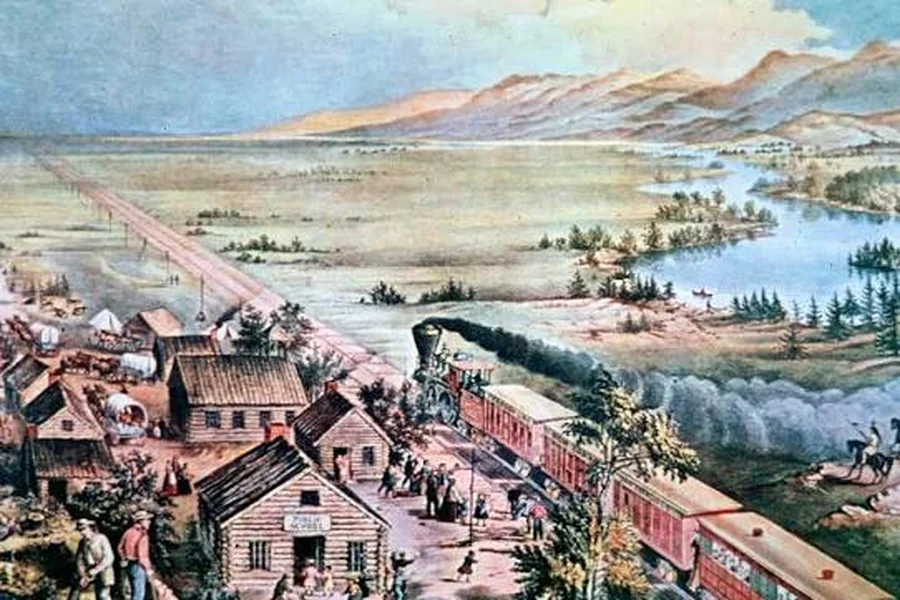
There is an undeniable magic in the hiss of air brakes, the gentle shudder of steel wheels against iron tracks, and the long, mournful cry of a locomotive horn cutting through the quiet night. For generations, the railway has been much more than just a functional mode of transportation; it has served as a conduit for dreams, a vital bridge across vast expanses of untamed wilderness, and a moving theater showcasing the raw beauty of the natural world. To embark on such a grand journey is to live the Rhythms of the Rails: A Transcontinental Tale, a sweeping narrative written not in words, but in the unfolding landscapes and the steady, hypnotic cadence of the journey itself. In an era completely dominated by the frantic pace of jet travel and the isolating, exhausting experience of endless highway driving, a cross-country train voyage stands as a resilient testament to the lost art of traveling slowly. It gently but firmly invites passengers to look out the panoramic windows rather than down at their glowing screens, to engage in meaningful conversation with complete strangers, and to fully appreciate the sheer, magnificent scale of the continent they are traversing. This is not merely a practical way to get from one major city to another; it is an immersive, sensory experience that fundamentally redefines our modern relationship with both time and distance. As the long passenger train slowly pulls out of the bustling, crowded station, leaving the towering concrete canyons of the metropolis far behind, a profound psychological transformation begins. The frantic, nervous energy of daily life rapidly dissipates, replaced almost entirely by a soothing, rhythmic motion that serves as the steady heartbeat of this transcontinental adventure. Here, inside the gleaming metal carriages, weary travelers find a unique, moving sanctuary where the journey itself joyfully becomes the ultimate destination.
The transition from urban sprawl to open country is one of the most striking visual elements of this adventure. Suburban backyards fade into rolling agricultural fields, and the dense network of highways is replaced by solitary dirt roads stretching endlessly toward the horizon. Inside the train, a parallel shift occurs as passengers settle into their seats, unpack their books, and surrender to the schedule of the rails. The sense of urgency that dictates so much of our daily routines is rendered completely powerless in the face of a three-day journey. You cannot speed the train up, and you cannot skip ahead to the arrival; you can only sit back and allow the rhythmic sway of the cars to lull you into a state of deep, restorative relaxation. By the time the sun begins to set on that very first evening, casting long, golden shadows across the passing landscape, the transformation is complete. The riders are no longer just commuters trying to reach a specific coordinate on a map; they are active participants in a magnificent, rolling saga.
The Golden Age of Long-Distance Travel
To truly appreciate the deep allure of the modern rail experience, one must first look back with reverence at the era when trains were undeniably the absolute pinnacle of human travel. The completion of the First Transcontinental Railroad in North America during the late nineteenth century was a monumental, unprecedented feat of human engineering, determination, and physical endurance. When the final golden spike was ceremoniously driven into the heavy tracks at Promontory Summit in 1869, it effectively shrank a vast, incredibly dangerous continent, miraculously reducing a perilous, months-long pioneer wagon journey into a relatively comfortable, awe-inspiring trip of just a few days. This incredible, world-changing achievement sparked what would soon become widely known as the golden age of long-distance travel, a highly romanticized time when massive steam locomotives were widely seen as the ultimate symbols of national progress, industrial luxury, and boundless, optimistic possibility. As the twentieth century dawned and technology rapidly improved, competing railway companies began to fiercely battle not just on the basis of speed, but heavily on the sheer opulence and elegance of their onboard accommodations.
The brilliant introduction of Pullman sleeper cars entirely revolutionized overnight travel, offering wealthy passengers plush velvet seating by day that ingeniously and seamlessly transformed into comfortable, private sleeping berths by night. The dining cars quickly evolved into roaming, five-star restaurants on wheels, meticulously outfitted with crisp white linen tablecloths, gleaming heavyweight silverware, sparkling crystal glassware, and impeccably dressed waiters serving exquisite gourmet meals prepared in impossibly small, constantly rocking kitchens. Passengers dressed in their absolute finest formal attire to traverse the continent, treating the lengthy train journey as a grand, high-society social event rather than a tedious, mandatory commute. The lavishly decorated lounge cars were continually filled with the fragrant smoke of fine imported cigars, the cheerful clinking of champagne glasses, and the lively, spirited chatter of prominent businessmen, famous artists, and excited families embarking on grand, once-in-a-lifetime adventures. While the specific daily amenities have naturally evolved and modernized over the decades, the heavy historical weight of these iconic routes remains incredibly palpable to anyone riding them today. Traveling along the exact same historic paths—carved through solid granite mountains with dynamite and laid across seemingly endless, scorching deserts—deeply connects modern riders to the brave pioneers and ambitious visionaries of the distant past. The enduring legacy of this magnificent golden age is deeply woven into the very fabric of the current passenger rail experience, serving to remind us all that there was once a beautiful time when the sheer act of moving across the earth was rightfully considered a marvelous, luxurious event worth celebrating in style.
Embracing the Slow Journey Across Continents
In our highly digitized, modern society, time is almost universally viewed as a precious commodity to be constantly saved, hoarded, and managed with ruthless, exhausting efficiency. We routinely cram ourselves into narrow aluminum tubes, silently endure the multiple indignities of chaotic airport security lines, and hurtle through the freezing stratosphere simply to shave a few precious hours off our overall transit time. The classic transcontinental train, however, stubbornly demands a radical, almost uncomfortable shift in this modern mindset. It quietly but firmly asks us to drastically slow down, to breathe deeply, and to actively, consciously participate in the physical passage of miles. When you bravely embark on a multi-day rail journey, you are making a highly conscious, deliberate decision to embrace the slow, gradual transition from one distinct environment to another. This is exactly where the true, unrivaled beauty of the rails slowly reveals itself to the patient traveler. From the oversized, spotless windows of a panoramic observation car, eager passengers are treated to a spectacular, uninterrupted, real-time documentary of the constantly changing earth outside.
You might peacefully wake up to the gorgeous sight of dew-soaked agricultural plains stretching endlessly toward the morning horizon, only to find yourself winding slowly and methodically through dense, pine-covered mountain passes by the late afternoon. The train safely navigates remote landscapes that are completely inaccessible to passenger cars and entirely unseen by commercial airplanes flying miles above. It daringly skirts the crumbling edges of treacherous river cliffs, plunges suddenly into pitch-black tunnels carved straight through the impenetrable hearts of mountains, and faithfully traces the meandering, ancient paths of mighty rivers. This incredibly slow, deliberate progression allows the overworked human mind to finally decompress. Without the heavy responsibility of steering a vehicle on a busy highway, or the constant, nagging distraction of reliable, high-speed internet access, passengers quickly find themselves naturally drawn to simpler, much more profound activities. Long, quiet hours are happily spent reading thick, classic novels, writing deep thoughts in leather-bound journals, playing simple board games with family members, or simply staring out the large window in a state of tranquil, undisturbed meditation. The heavy, rhythmic clacking of the steel wheels over the joints in the track soon becomes a comforting mantra, a soothing, persistent background noise that effectively drowns out the lingering anxieties of everyday life. You slowly begin to notice the subtle, beautiful shifts in the rich color of the soil, the changing, historical architecture of the small towns you pass through, and the gradual, fascinating evolution of the local flora and fauna. By the time you finally reach your ultimate destination on the opposite coast, you carry with you a deep, physical, and intimate understanding of the vastness and stunning diversity of the land you have just successfully crossed.
Life Inside the Carriages
While the spectacular scenery outside the window is undoubtedly the main attraction for most ticket holders, the unique, tightly-knit microcosm of daily life inside the train carriages is equally fascinating and memorable. A long-haul passenger train is essentially a rolling, self-contained village, a temporary but highly functional community forged by shared confinement and a mutual, unspoken appreciation for the art of the journey. The interpersonal social dynamics on board are entirely distinct from almost any other common form of travel. In a commercial airplane, passengers typically put on noise-canceling headphones, pull down the window shades, and actively avoid making eye contact with their seatmates. On a traditional train, however, friendly conversation is not only widely accepted but warmly and frequently encouraged by the layout of the cars. The scenic observation car serves as the unofficial, bustling town square, a bright, welcoming communal space where people from wildly different backgrounds and generations gather together to marvel at the passing views. It is precisely here that you might easily find yourself deep in a fascinating conversation with a retired couple slowly exploring the country, a young, idealistic musician seeking creative inspiration, or an excited overseas tourist experiencing the vast North American landscape for the very first time.
The classic dining car serves to further amplify this wonderful sense of spontaneous camaraderie among travelers. Because table seating is inherently limited, passengers are frequently and intentionally seated with complete strangers, leading to impromptu, lively dinner parties that can easily last for hours. Over hot plates of surprisingly good, hearty food, personal stories are openly exchanged, wine is generously poured, and fleeting but highly meaningful friendships are quickly formed. When the sun finally sets and night falls over the tracks, the atmosphere inside the train gently shifts to a quiet, cozy, and reflective intimacy. Retiring to a private sleeper cabin offers a welcome sanctuary where the rhythmic rocking of the train acts as a gentle, persistent lullaby. Sleeping on a fast-moving train is a highly distinct, memorable experience; you remain acutely conscious of the powerful forward momentum, the occasional, haunting blast of the air horn echoing through sleepy, darkened towns, and the faint, sweeping glow of railroad crossing signals illuminating the cabin walls for a brief second. Waking up the very next morning, excitedly pulling back the heavy curtains, and discovering that the outside scenery has entirely and magically transformed while you slept is a moment of pure, childlike wonder. The dedicated conductors and hardworking dining car attendants, who expertly navigate the swaying aisles with practiced grace, quickly become familiar, comforting faces, confidently guiding you safely through this mobile, communal, and highly unforgettable experience.
FAQs
What is the most famous transcontinental train route in North America?
The California Zephyr is widely considered one of the most famous and incredibly scenic routes, traveling daily between Chicago and the San Francisco Bay Area through the majestic Rocky Mountains and the snow-capped peaks of the Sierra Nevada.
How long does a cross-country train journey usually take?
A full transcontinental journey typically takes between three to four days of continuous, day-and-night travel, depending heavily on the specific route chosen, occasional freight train delays, and the number of scheduled station stops along the way.
Are meals included when booking a sleeper ticket on long-haul trains?
Yes, passengers who book private sleeping accommodations generally have all of their hot dining car meals included in the initial price of their premium ticket.
Is it possible to sleep comfortably on a moving train?
Most travelers find the gentle, rhythmic rocking motion of the train to be incredibly soothing and sleep-inducing, though it can sometimes take a night to fully adjust to the ambient mechanical sounds and the constant physical movement.
Why do people choose trains over faster modes of modern travel?
Travelers consistently choose the rails for the unparalleled scenic views, the highly spacious and comfortable seating arrangements, the significantly reduced stress of travel, and the deeply romantic nostalgia associated with classic train journeys.
Do these long-distance passenger trains offer Wi-Fi connectivity?
While some specific trains do offer basic Wi-Fi, it is often quite unreliable or entirely absent in remote, mountainous areas, thereby encouraging passengers to fully disconnect from the digital world and immerse themselves in the surrounding natural beauty.
What should I pack for a multi-day railway adventure?
It is highly recommended to pack comfortable layers of clothing for fluctuating cabin temperatures, easy slip-on shoes for walking safely around the train, basic daily toiletries, and plenty of offline entertainment such as thick books or downloaded movies.
Final Thought
As the epic journey finally draws to a quiet close and the ultimate destination gradually comes into view through the windows, there is very often a deeply bittersweet feeling shared among the seasoned passengers. The highly protective, comforting bubble of the train, with its predictable, soothing rhythms and cozy, communal confines, is about to burst, inevitably returning everyone to the chaotic, demanding reality of stationary daily life. Yet, those fortunate individuals who have bravely undertaken a full cross-country rail voyage carry something truly permanent and highly valuable with them when they finally step down onto the concrete platform. The profound experience leaves an indelible, beautiful mark on the traveler’s soul, serving as a lingering, powerful reminder of the incredible beauty that exists in the physical space between our origins and our destinations. Choosing to travel by rail is a quiet but firm rebellion against the modern world’s unhealthy obsession with instant gratification, a bold declaration that the journey itself holds immense, irreplaceable intrinsic value. The sweeping, majestic vistas, the completely unexpected but deeply rewarding conversations, and the steady, comforting beat of the heavy steel wheels over the iron tracks weave together perfectly to create a rich tapestry of memories that simply cannot be replicated at thirty thousand feet in the air. As long as there are gleaming steel tracks stretching endlessly across the horizon, the powerful allure of the rails will strongly endure, continuously calling out to those who seek not just to quickly arrive, but to truly and deeply travel.


